Why Concord Homes Face Unique Waterproofing Challenges
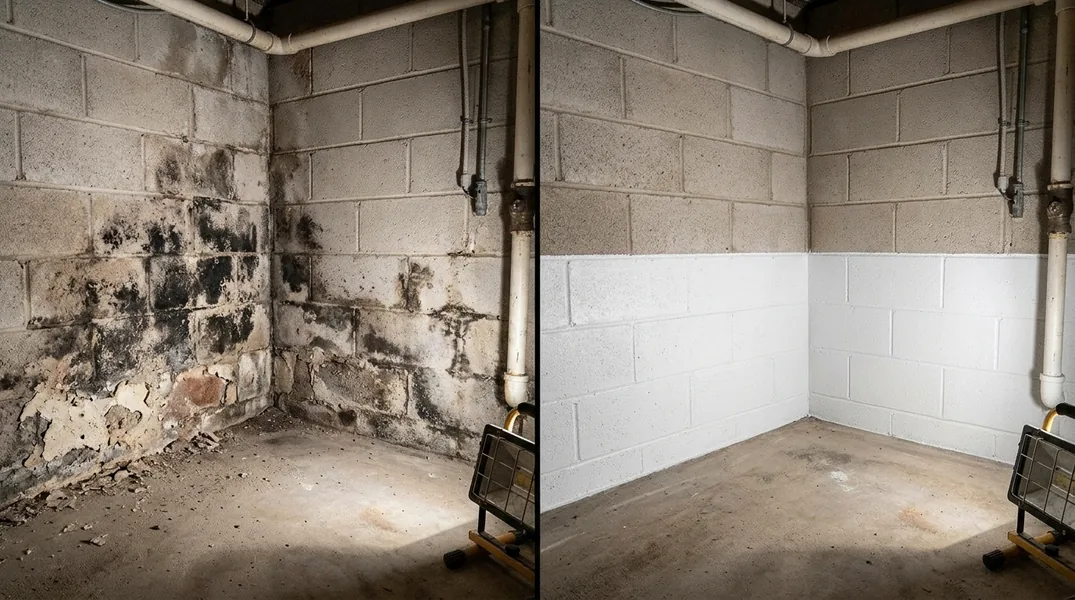
If you own a home in Concord, you already know that the local soil is not like the sandy loam found in other parts of the country. The Piedmont region is famous for its heavy clay content, and that clay behaves very differently from typical dirt when it rains. Instead of absorbing water quickly, Piedmont clay swells and becomes nearly impermeable, trapping moisture against your foundation walls and creating hydrostatic pressure that pushes water through even the smallest cracks. This is why so many homeowners in Concord deal with damp basements, efflorescence on the walls, and musty odors that never seem to go away.
Understanding this local soil behavior is the first step in choosing between interior and exterior waterproofing. A solution that works in a dry, sandy climate may fail miserably in the Piedmont. When you search for Basement Waterproofing near me in Concord, you need a contractor who understands how clay soils interact with foundation walls and how water actually moves through your specific property. The right approach depends on your home's age, the severity of the leakage, and how the water is entering the basement in the first place.
How Interior Drain Tile Systems Work
An Interior Drain Tile System is installed along the inside perimeter of your basement footing. The process involves breaking up a narrow strip of the concrete slab, digging a trench down to the footing, and laying perforated pipe that captures water as it enters through the foundation walls and floor. The water is then directed to a sump pit, where a sump pump discharges it safely away from the house. This system is highly effective at relieving hydrostatic pressure because it collects water before it can pool on your floor or soak into stored belongings.
One major advantage of interior waterproofing is that it can be installed year-round, regardless of weather, and it does not require excavating your yard or disturbing landscaping, decks, or patios. For many Concord homeowners, this is a practical and cost-effective way to manage Piedmont clay basement leaks, especially when the water is coming through the cove joint where the wall meets the floor. It also comes with the added benefit of a sump pump that can help during heavy summer thunderstorms, which are common in this part of North Carolina.
How Exterior Basement Waterproofing Protects the Structure
Exterior Basement Waterproofing takes a different approach by stopping water before it ever reaches your foundation. This typically involves excavating the soil around the perimeter of the home, repairing any cracks in the foundation wall, applying a waterproof membrane or coating, and installing exterior drain tile and gravel to redirect groundwater away from the house. In some cases, a dimple mat or drainage board is added to further protect the membrane and improve drainage.
The biggest benefit of exterior waterproofing is that it addresses the root cause of the problem by keeping water out of the soil immediately surrounding your foundation. It also protects the foundation itself from the damaging effects of clay expansion and contraction, which can lead to structural cracks over time. However, exterior work is more invasive and often more expensive than interior solutions because it requires heavy excavation, and it may not be feasible for homes with mature landscaping, steep grades, or limited access to the foundation walls. For these reasons, the drain tile vs exterior membrane debate often comes down to a careful evaluation of your property's specific layout and your long-term goals.
Interior vs Exterior Waterproofing: Which Is Right for Your Home?
When comparing interior vs exterior waterproofing, there is no one-size-fits-all answer. An interior system is usually the better choice when water is entering through the floor or the cove joint, when you want to avoid disturbing your yard, or when budget is a primary concern. It is also the go-to solution for finished basements where you want to protect flooring and drywall without major exterior disruption. On the other hand, exterior waterproofing is often recommended when the foundation walls themselves are deteriorating, when there are large cracks that need structural repair, or when you want the most comprehensive long-term protection against Piedmont clay basement leaks.
Many homes benefit from a combination of both approaches, especially older homes in Kannapolis and surrounding areas where foundations have had decades to settle and crack. A thorough inspection by a qualified contractor will reveal where the water is actually coming from and which method will deliver the best results for your situation. It is also worth discussing Foundation Waterproofing as part of the conversation, since foundation health and basement dryness go hand in hand.
Basement Waterproofing Cost in Concord: What to Budget
Homeowners often ask about pricing before deciding between interior and exterior methods. Interior drain tile systems are generally less expensive because they require less excavation and can be completed in a few days. Exterior waterproofing costs more due to the heavy equipment, soil removal, and membrane materials involved, but it can be the only permanent fix for certain foundation problems. The final price depends on the length of the perimeter, the severity of the leakage, whether a sump pump is needed, and whether any structural repairs are required.
It is always wise to get a detailed written estimate rather than a ballpark figure over the phone. A reputable contractor will inspect your basement, check the exterior grading, and explain exactly what is included in the proposal. If you are comparing quotes, make sure you are comparing the same scope of work, because a low price that only addresses part of the problem often leads to repeat issues. To get a clear picture of what your project will cost, request a free estimate from a local professional who knows the Concord market.
Basement Waterproofing Near Me: When to Call a Pro
Some homeowners in Harrisburg and Mount Pleasant try to manage minor dampness with dehumidifiers and sealants, but these are temporary fixes at best. If you notice standing water after storms, white powder on the walls, peeling paint, or a persistent musty smell, it is time to call a professional. Ignoring these signs allows water to weaken the foundation and create conditions for mold growth, which can affect indoor air quality and lead to costly repairs down the road.
At Concord Waterproofing, we specialize in helping local homeowners choose the right solution for their specific soil and foundation conditions. Whether you need an interior drain tile system or full exterior protection, our team can walk you through the options and help you make an informed decision. Call us today at (980) 680-6560 to schedule your inspection and take the first step toward a dry, healthy basement.
Looking for a professional basement waterproofing contractor in Concord? Concord Waterproofing responds fast for all your basement waterproofing needs.
Get a Free QuoteOur services: Basement Waterproofing · Interior Drain Tile System · Exterior Basement Waterproofing